Build the Complete
Foundation of Electronics.
A unified electronics engineering pathway that connects analog circuits, signals, microcontrollers, and FPGA logic into real system-level projects.
Designed in Vancouver. Built for hands-on engineering learning.
The World Needs Hardware Engineers. Again.
AI, semiconductors, robotics, and intelligent devices all depend on one thing: people who understand how real electronic systems work.
The Industry Is Moving Fast
AI servers, edge devices, robotics, automotive electronics, and semiconductor systems are creating new demand for engineers who understand both circuits and computation.
Traditional EE Learning Is Hard to Enter
University-level electronics can feel fragmented and intimidating — dense theory, expensive instruments, complex labs, and a long gap between formulas and working hardware.
The Core Makes It Tangible
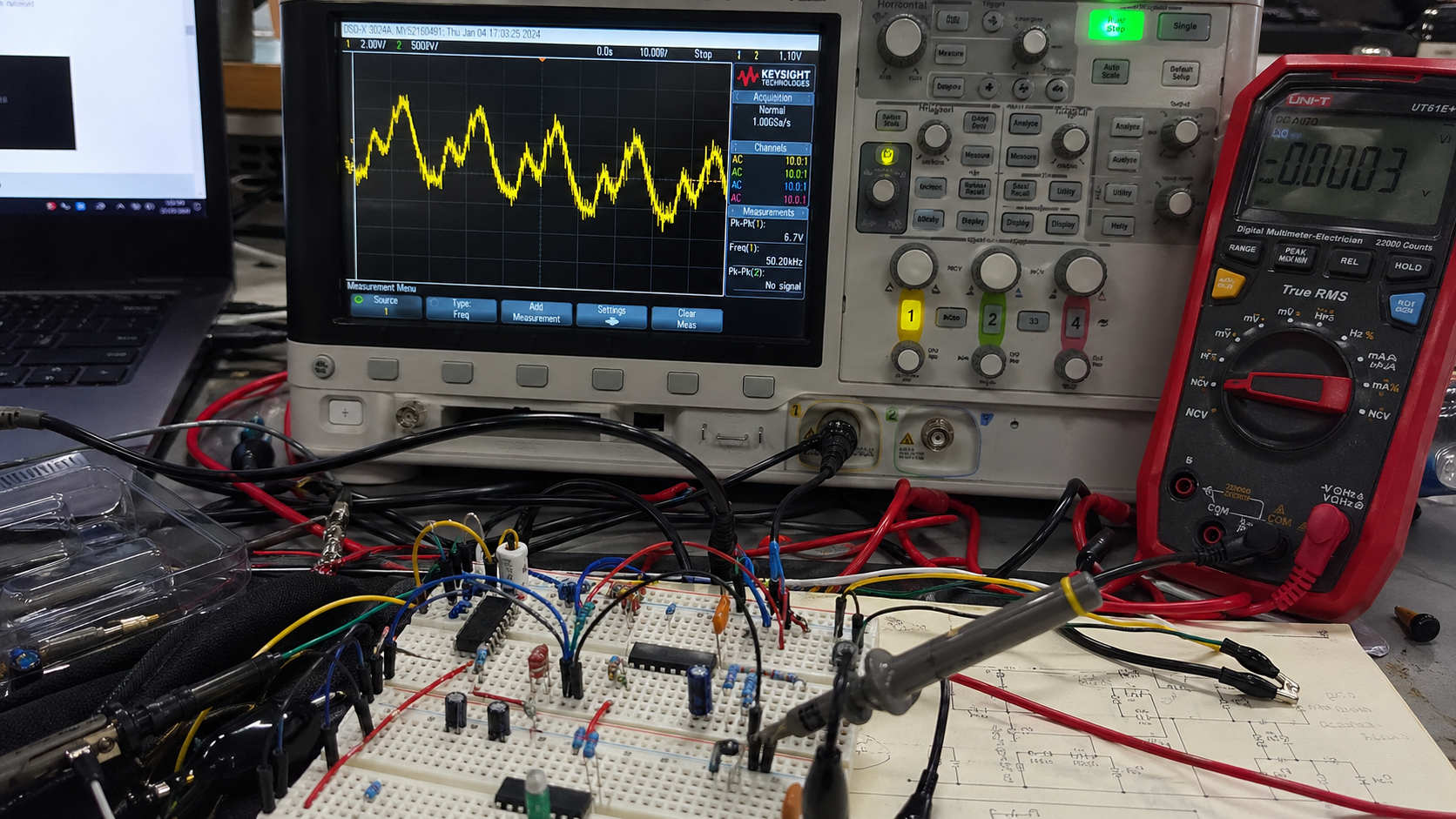
Fundamental EE Core turns the foundation into a connected project pathway — from analog signals and circuits to firmware, FPGA logic, measurement, and debugging.
Four Core Areas.
One Engineering Foundation.
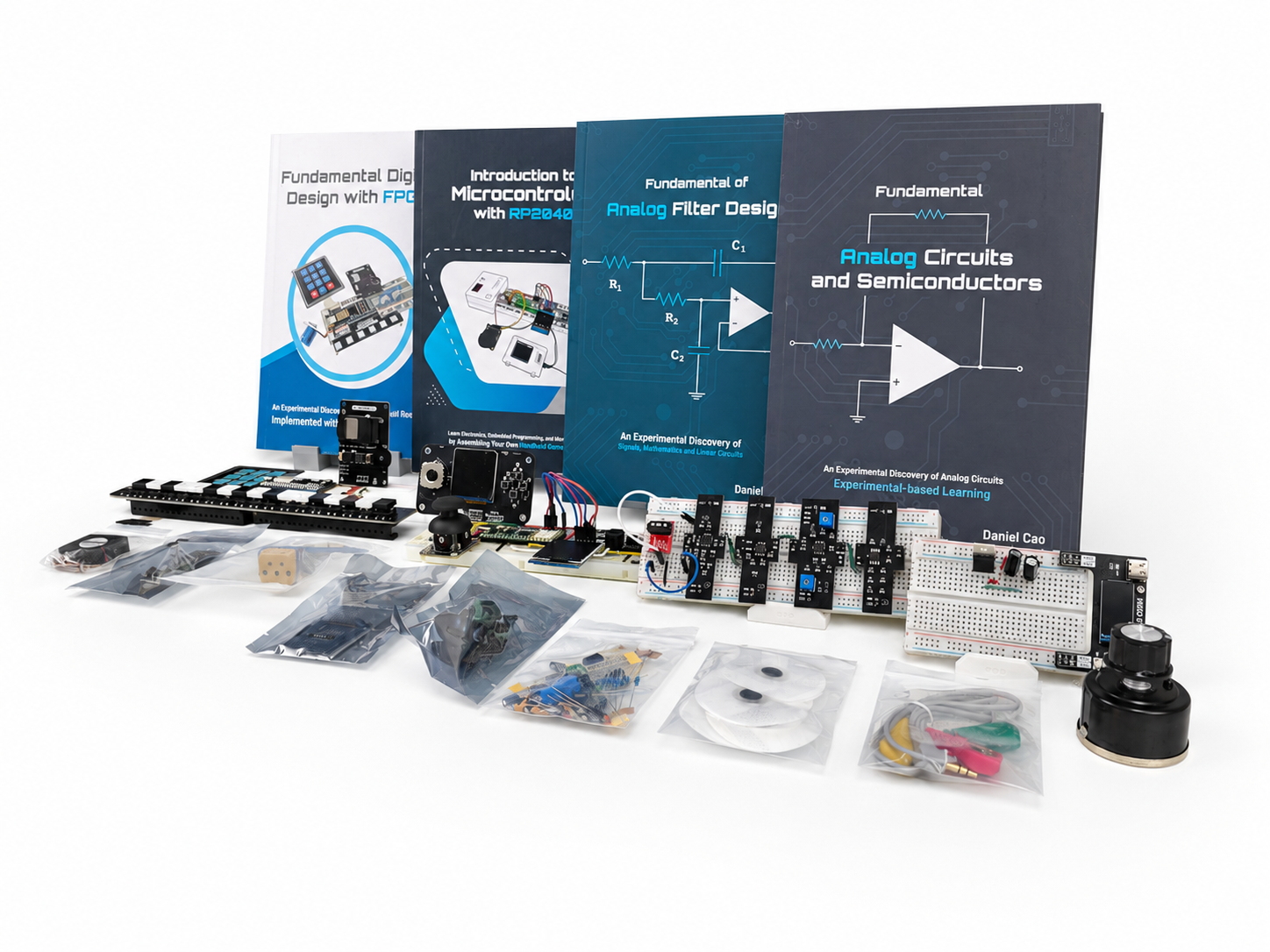
Fundamental EE Core brings together the essential building blocks behind real electronic systems: components, signals, firmware, and hardware logic.
Analog Circuits & Semiconductor Devices
Learn how real components shape electrical behavior through diodes, transistors, op-amps, amplification, switching, and practical circuit building.
Analog Signals & Filtering
Move from voltage and current into time-domain and frequency-domain thinking. Build filters, conditioning stages, and real signal-processing chains.
Introductory Embedded Systems with RP2040
Give your circuits a programmable brain. Use MicroPython and RP2040 to read inputs, control outputs, communicate with modules, and build interactive systems.
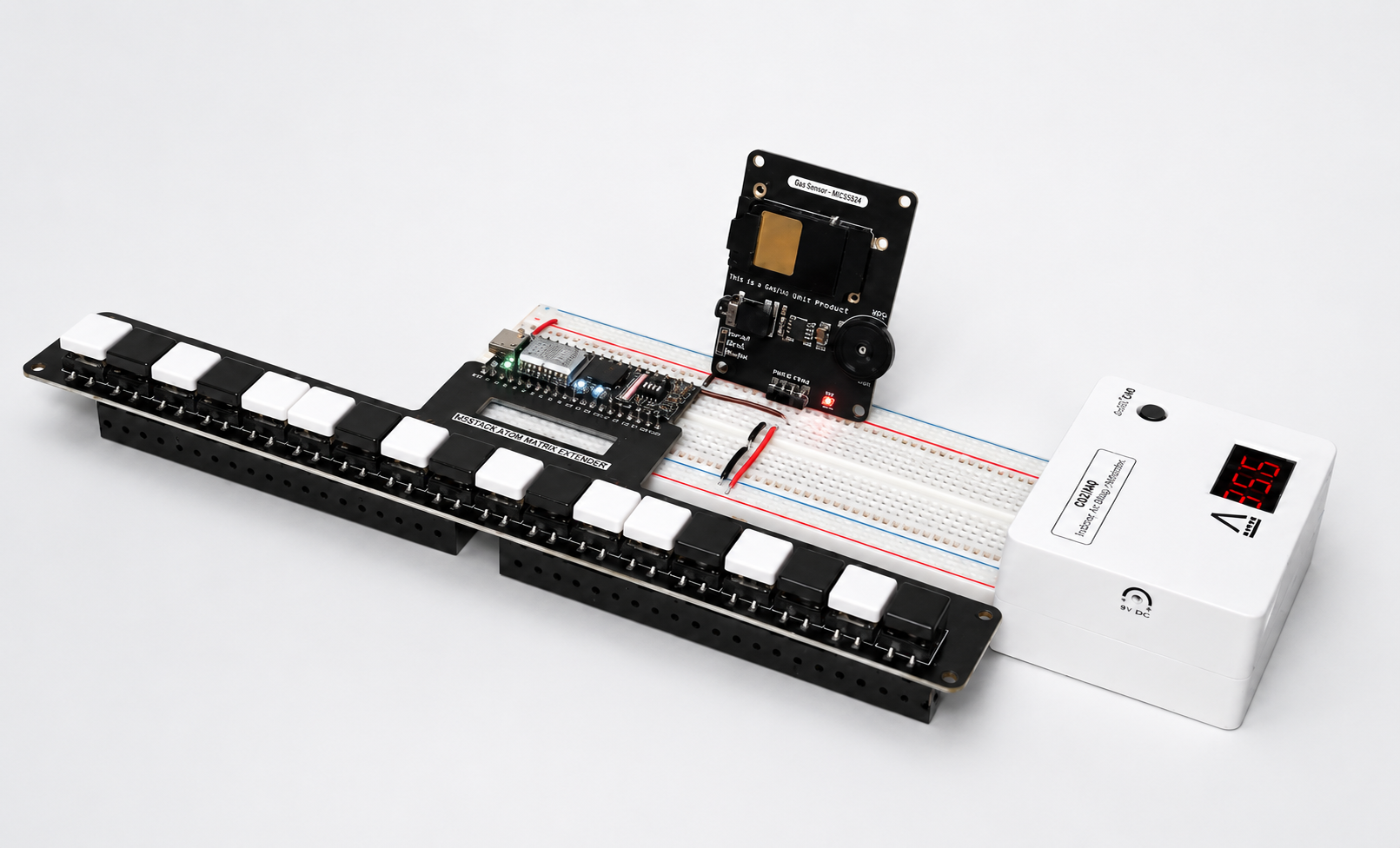
Digital Circuits & FPGA
Go below software and design logic in hardware. Learn digital logic, Verilog, timing, and FPGA architecture for hardware-level computation.
Built for Learners.
Trusted by Engineers.
Real experiences from students, educators, hobbyists, and engineers learning and building with EIM.
Build Your Foundation. Choose Your Lab.
Start with the complete Fundamental EE Core pathway, or add Lab-On-The-Go for a unified environment to build, measure, debug, and grow.
Fundamental EE Core
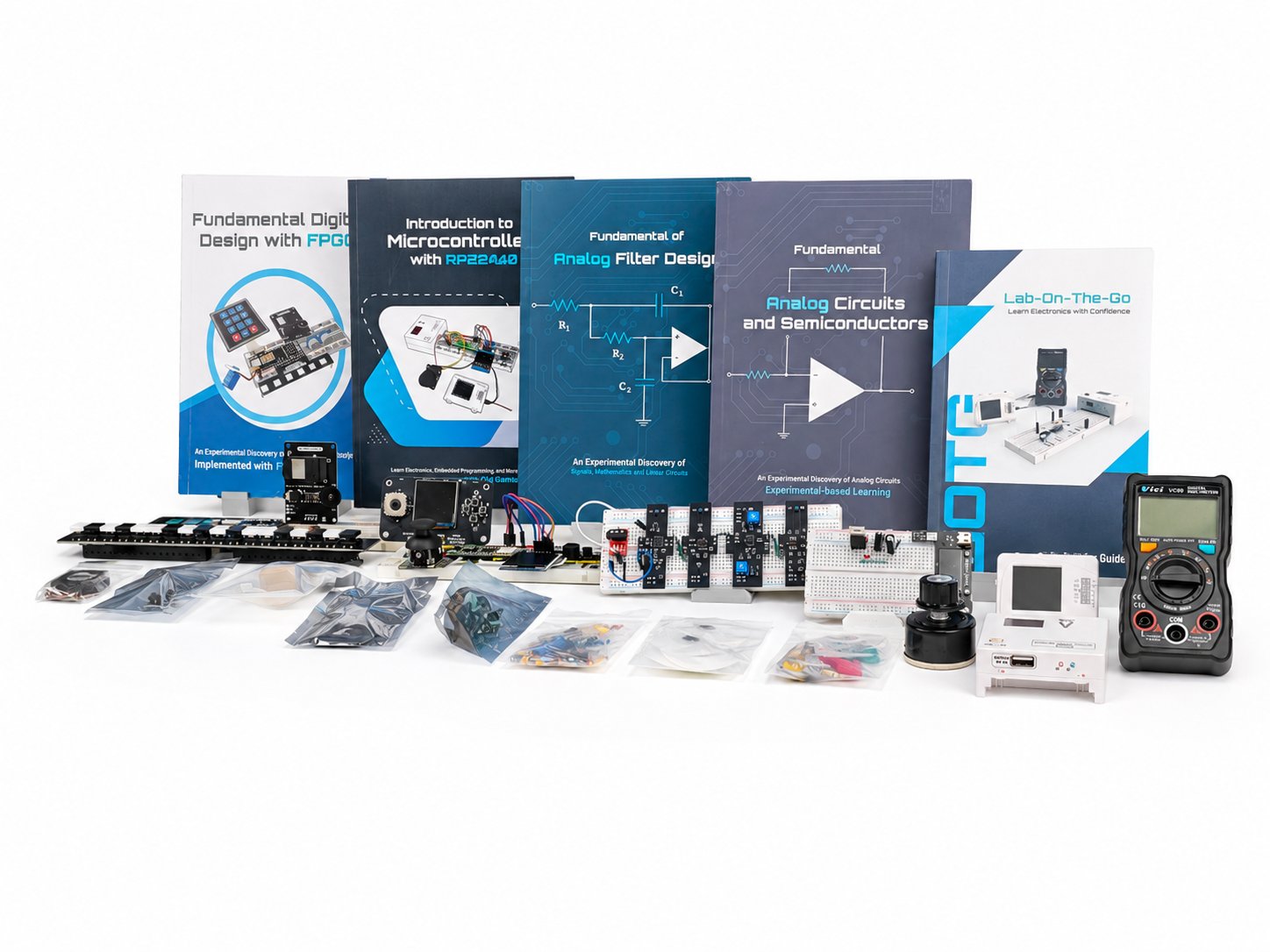
The complete four-kit electronics engineering pathway for learners who want to build a strong foundation across analog, signal, embedded, and FPGA systems.
- Analog Circuits & Semiconductor Devices
- Analog Signals & Filtering
- Introductory Embedded Systems with RP2040
- Digital Circuits & FPGA
- Printed textbooks and guided project hardware
- LMS platform access for structured learning
Core + Lab-On-The-Go
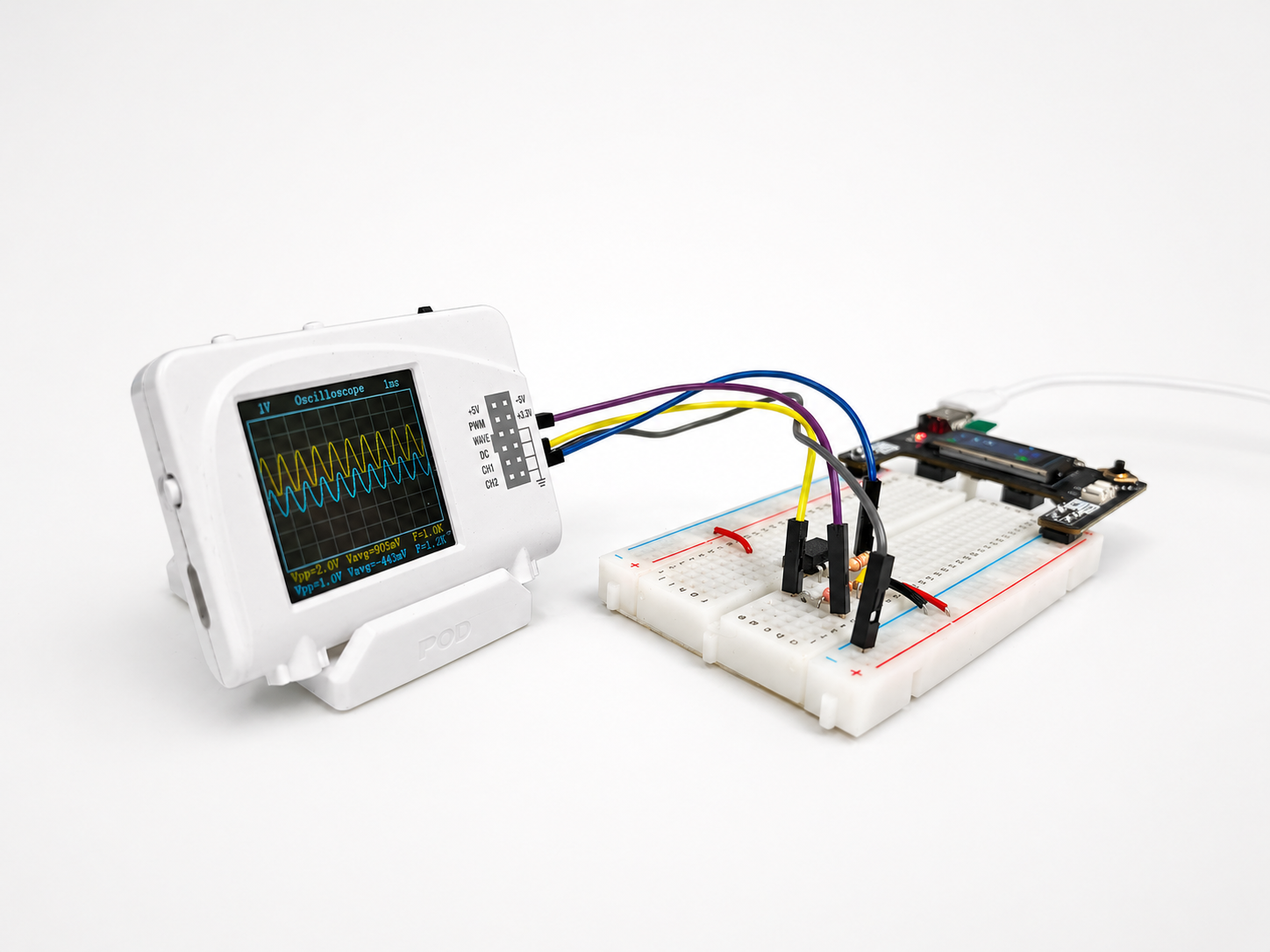
The most complete way to experience the Fundamental EE Core from day one — with portable instruments for powering, measuring, generating signals, and debugging.
- Everything in Fundamental EE Core
- Integrated Lab-On-The-Go system
- Portable oscilloscope for visualizing real signals
- Signal generator for testing circuits and filters
- DC power and measurement workflow
- Reusable across Starter Kit and future EIM kits
- Best for complete build, measure, and debug experience
Value Insight: Lab-On-The-Go is not just an add-on for one course.
It becomes a reusable measurement and debugging environment across the Starter Kit,
Fundamental EE Core, and future EIM learning systems.
Questions? Answers.
Everything you need to know before choosing your Fundamental EE Core package.
If you are completely new to electronics, we usually recommend starting with the EE Starter Kit first. The Starter Kit is designed to introduce core concepts through a more accessible first project. Fundamental EE Core is the next major step: it goes deeper into analog circuits, signals, microcontrollers, and FPGA logic.
Yes — this is one of the best use cases for Fundamental EE Core. If you are studying electrical engineering, computer engineering, robotics, mechatronics, or embedded systems, this bundle can become a long-term companion for your university courses. It helps connect classroom theory with real hardware, lab measurements, debugging, and system-level projects — potentially supporting you from early coursework all the way to graduation.
The EE Starter Kit is designed as an accessible first step into electronics. It focuses on helping you build confidence and complete your first integrated system. Fundamental EE Core is broader and deeper. It brings together four major areas: analog circuits, analog signals and filtering, embedded systems with RP2040, and digital circuits with FPGA.
Choose The Kit if you already have access to basic lab instruments or want to start with the four-kit learning pathway first. Choose The Lab if you want the most complete experience from day one. Lab-On-The-Go gives you a portable setup for powering circuits, visualizing waveforms, generating signals, and debugging projects across the full pathway.
Not necessarily. If you already have access to an oscilloscope, signal generator, power supply, and basic measurement tools, you can use your own equipment. However, Lab-On-The-Go creates a unified and portable workflow that works across EIM kits, making it easier to build, measure, test, and debug without setting up a traditional lab bench.
Absolutely. Modern software often interacts with physical systems: sensors, displays, motors, signals, timing constraints, and embedded hardware. Fundamental EE Core helps software-focused learners understand what happens below the code — from signal conditioning and measurement to MCU control and FPGA-level hardware logic.
The pathway is designed with structured guidance, textbooks, and LMS support. Instead of isolated exercises, you build concepts step by step, so each project helps validate what came before it. Our learning platform and community are there to help you keep moving when something does not work the first time — which is also a normal part of real engineering.
Yes. EIM Technology hardware comes with a standard warranty against manufacturing defects. We are based in Vancouver and take pride in supporting learners, educators, and builders who use our kits for real hands-on projects.
Still deciding? Start with EE Starter if you are brand new. Choose Fundamental EE Core if you are ready to build a deeper electronics engineering foundation.